


Exploring the psychology of gambling: why we play
The Role of Luck in Casino Games
Luck is often regarded as a pivotal factor in determining success within casinos. Many individuals step into these vibrant environments with the hope that a stroke of luck could yield a life-altering jackpot or an extraordinary winning streak. This belief is deeply ingrained in the very nature of casino games, which are predominantly designed around elements of chance and unpredictability. For example, games like slots and roulette are fundamentally reliant on random number generators, meaning that the outcomes are determined entirely by luck. Many players also explore various platforms, including betting apps canada , to enhance their gaming experience, as this randomness allows luck to play a crucial role in shaping the player’s experience and overall fortune.
However, the relationship between luck and success is not solely positive; it can also lead to significant losses. Players often experience the initial excitement of a substantial win, only to be followed by a series of unfortunate defeats. This fluctuation highlights the unpredictable nature of luck in gambling, as it can lead players to chase their losses in hopes of recapturing their momentum. Such behavior can create a dangerous cycle of spending and desperation, where the thrill of a win is quickly overshadowed by subsequent losses. Consequently, while luck can occasionally lead to remarkable victories, it can also function as a double-edged sword that influences a player’s gambling strategy and mindset.
In contrast, certain games such as poker and blackjack integrate an element of skill into the gameplay. While luck may dictate the cards dealt or the outcomes of specific rounds, a skilled player can utilize their understanding of game strategies to enhance their probability of winning. This duality raises an important question: is relying solely on luck a sustainable approach for long-term success in casinos? This suggests that players who blend luck with strategic decision-making and skill may find greater success than those who depend on luck alone.
The Psychological Aspect of Luck in Gambling
The psychology surrounding gambling is closely tied to the concept of luck. Many players adopt superstitions or specific rituals that they believe enhance their chances of winning. These behaviors can range from wearing “lucky” clothing to performing certain actions at the gaming table, such as tapping the machine or blowing on the dice. Such practices underscore the profound influence that the belief in luck can have on player behavior and decision-making. When players perceive themselves as fortunate, it can bolster their confidence, positively impacting their gameplay and overall experience.
Conversely, experiencing a streak of bad luck can lead to feelings of frustration and hopelessness. Players who find themselves consistently losing may encounter a psychological phenomenon known as “loss aversion,” which often deters them from making rational decisions in subsequent games. This emotional rollercoaster can lead to increased impulsivity, as players attempt to recover their losses quickly, sometimes resulting in even greater financial setbacks. The variance in emotional response reveals how deeply intertwined luck is with mental states and how this interplay significantly influences the overall gambling experience.
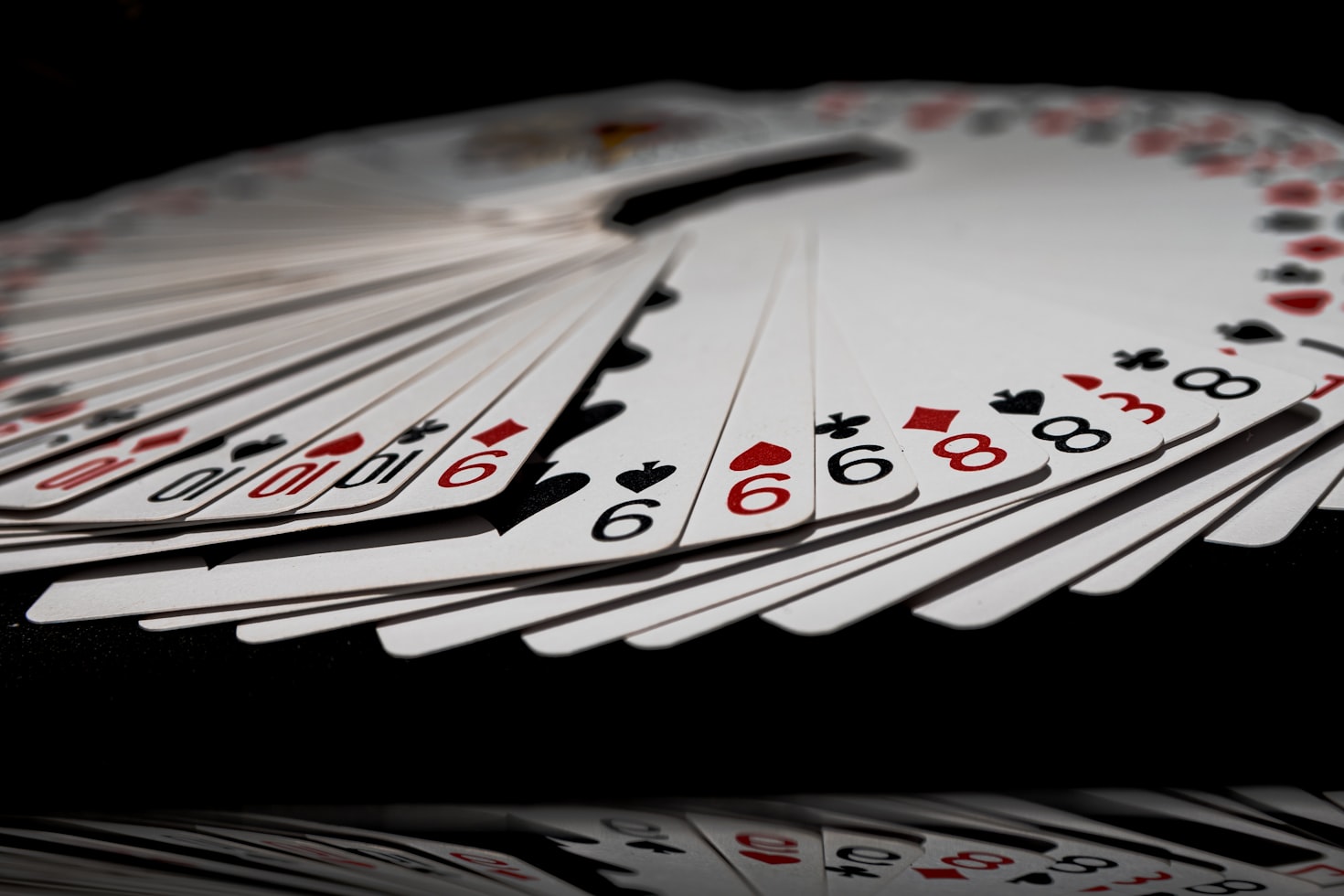
Moreover, the casino environment itself can amplify these psychological effects. The ambiance, music, and overall atmosphere are meticulously designed to create an enticing environment that encourages gambling. When combined with the inherent hope and anticipation associated with luck, this creates a powerful cocktail that can lead players to make decisions driven more by emotion than by logic. Gaining an understanding of these psychological mechanisms can equip gamblers to manage their expectations better and make more informed choices during their gaming sessions.
The House Edge and Its Relationship with Luck
While luck is undeniably a significant factor in gambling outcomes, understanding the concept of the house edge is crucial for grasping the long-term dynamics of success in casinos. The house edge represents the mathematical advantage that the casino maintains over players in any given game. For instance, in blackjack, a player may experience several consecutive wins due to favorable cards, yet the house edge remains constant over time, ensuring that the casino will ultimately profit. Thus, while luck can influence short-term results, the house edge dictates the overall financial outcome for players in the long run.
This reality often leads to misconceptions regarding the concept of luck. Many players mistakenly believe that achieving a few substantial wins implies an increased likelihood of future successes; however, the house edge persists, which means that, over time, luck alone is not a dependable strategy for success. Understanding the house edge empowers players to make more informed decisions, helping them identify which games provide better odds and allowing them to manage their bankroll more effectively. This knowledge can be a game-changer for players seeking to enhance their overall casino experience.
Furthermore, recognizing the importance of the house edge emphasizes the necessity of adopting a well-rounded approach to gambling. While luck is an undeniable factor in determining outcomes, players can also enhance their experiences by developing skills and strategies designed to mitigate the house edge. This combination of knowledge and understanding, paired with a realistic view of luck, can lead to more sustainable gambling practices and a more enjoyable experience at the casino.
The Influence of External Factors on Luck
Luck in gambling can also be influenced by various external factors that extend beyond the mechanics of the games themselves. Elements such as the time of day, the presence of other players, and even the specific casino environment can significantly affect a player’s perception of luck. For example, some players believe that playing during peak hours when the casino is bustling with activity can enhance their chances of winning, while others might find that quieter periods yield better results. These beliefs highlight the subjectivity of luck and how it can be experienced differently by various players.
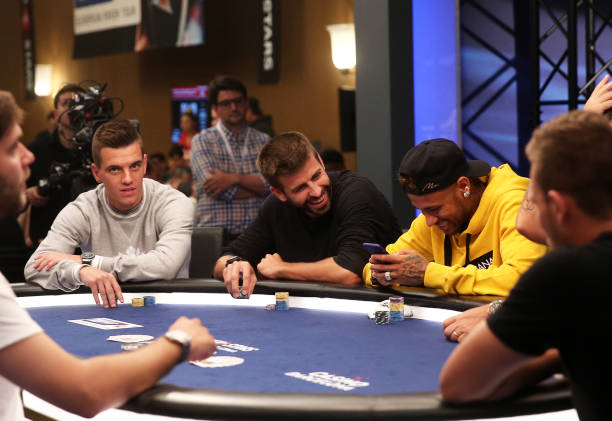
Additionally, the rise of online gaming has introduced a new dimension to the dynamics of luck. Players may feel that their luck fluctuates when playing online compared to traditional casinos, influenced by factors such as the randomness of algorithms and their overall engagement level. This perception can shape their gaming strategies and experiences, as players often transfer their beliefs about luck from physical casinos to online platforms. Understanding these dynamics can help players navigate the online gaming landscape more effectively, enabling them to adjust their approaches based on their perceptions of luck.
Ultimately, while various external factors can shape perceptions of luck, it is crucial for players to recognize the inherent variability and unpredictability associated with gambling. By acknowledging these influences, players can develop a more comprehensive understanding of how luck interacts with different elements of the game. This awareness can lead to more mindful gambling practices, enhancing their enjoyment and potential success at the casino.
Concluding Thoughts on Luck and Gambling
In conclusion, the relationship between luck and success in casinos is intricate and multifaceted. While luck undeniably plays a vital role in determining outcomes in games of chance, it is essential for players to embrace a balanced perspective when approaching gambling. By recognizing the significance of both luck and skill, individuals can develop strategies that enhance their overall experience while minimizing the inherent risks associated with gambling.
Moreover, understanding the psychological aspects of luck, the implications of the house edge, and the influence of external factors provides players with the tools to cultivate a more informed approach to their gaming habits. By striking a balance between embracing luck and employing strategic decision-making, gamblers can reduce the likelihood of losses while maximizing the enjoyment derived from their casino experiences.
Whether engaging in traditional casino gaming or exploring online platforms, fostering a mindset that appreciates both luck and strategic thinking can lead to a healthier relationship with gambling. Acknowledging that luck is just one component of a larger equation can empower players to make more informed choices, ensuring that their time spent in casinos remains both entertaining and rewarding.